Eco-Friendly Travel Example: Train Trip + Low-Waste Stay

What is an example of eco-friendly travel?
An easy, real-world example of eco-friendly travel is taking a train to a nearby city and staying in a locally owned, energy-conscious lodging—then getting around on foot, by bike, or on public transit. This kind of trip reduces carbon emissions compared with flying or driving solo, and it keeps more of your spending in the local community.
A practical sample itinerary
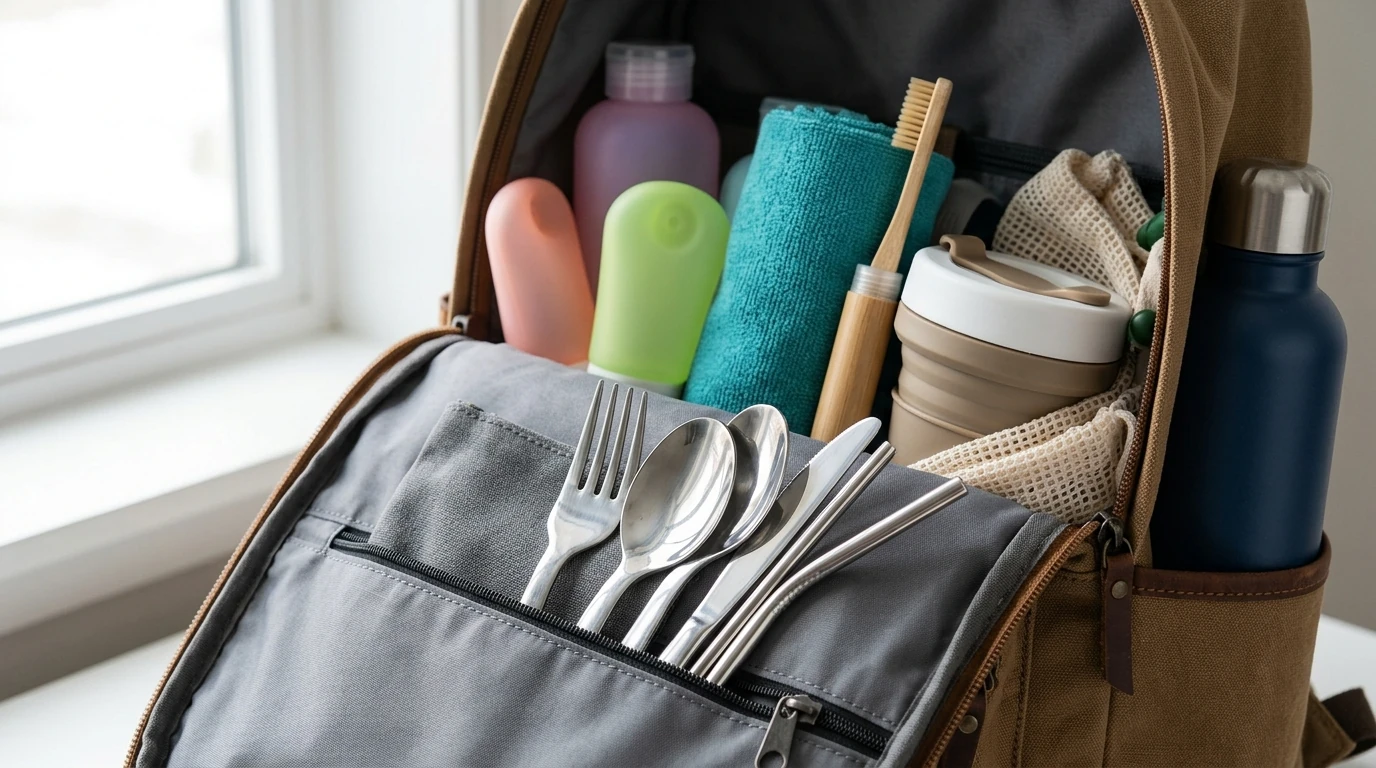
Start by choosing a destination you can reach by rail or bus. Pack light (lighter luggage can mean lower fuel use) and bring reusables like a refillable water bottle, a foldable tote, and a travel utensil set to cut down on single-use plastics. Once you arrive, book a hotel or rental that uses measures such as LED lighting, towel/linen reuse programs, or renewable energy where available.
For activities, prioritize low-impact options: walking tours, museums, parks, and local markets. Eat at restaurants that source locally and seasonally when possible, and avoid waste by choosing places with dine-in options rather than heavy takeout packaging. If you need day trips, consider shared shuttles or group tours instead of private rides.
Why this counts as eco-friendly travel
Eco-friendly travel focuses on lowering your footprint while still enjoying the trip. Choosing lower-emission transportation, reducing waste, conserving water and energy where you stay, and supporting local businesses all add up to a meaningful difference—without requiring an extreme or expensive itinerary.
For more ideas and detailed tips, visit the full guide here: https://populardealsavenue.shop/what-is-an-example-of-eco-friendly-travel/.
For Eco-Friendly Travel Example: Train Trip + Low-Waste Stay, the best answer depends on fit, material, care instructions, and how the product will be used day to day.
Checking those details first helps avoid a poor match and keeps the choice practical after delivery.
FAQ
How can I make my trip more sustainable without spending more?
Use public transit, walk more, and pack reusable basics like a bottle and tote. Choosing fewer, closer destinations and traveling slower often saves money while cutting emissions.











Leave a comment