Affirmations Audio: Music vs Voice-Only (Best Choice)
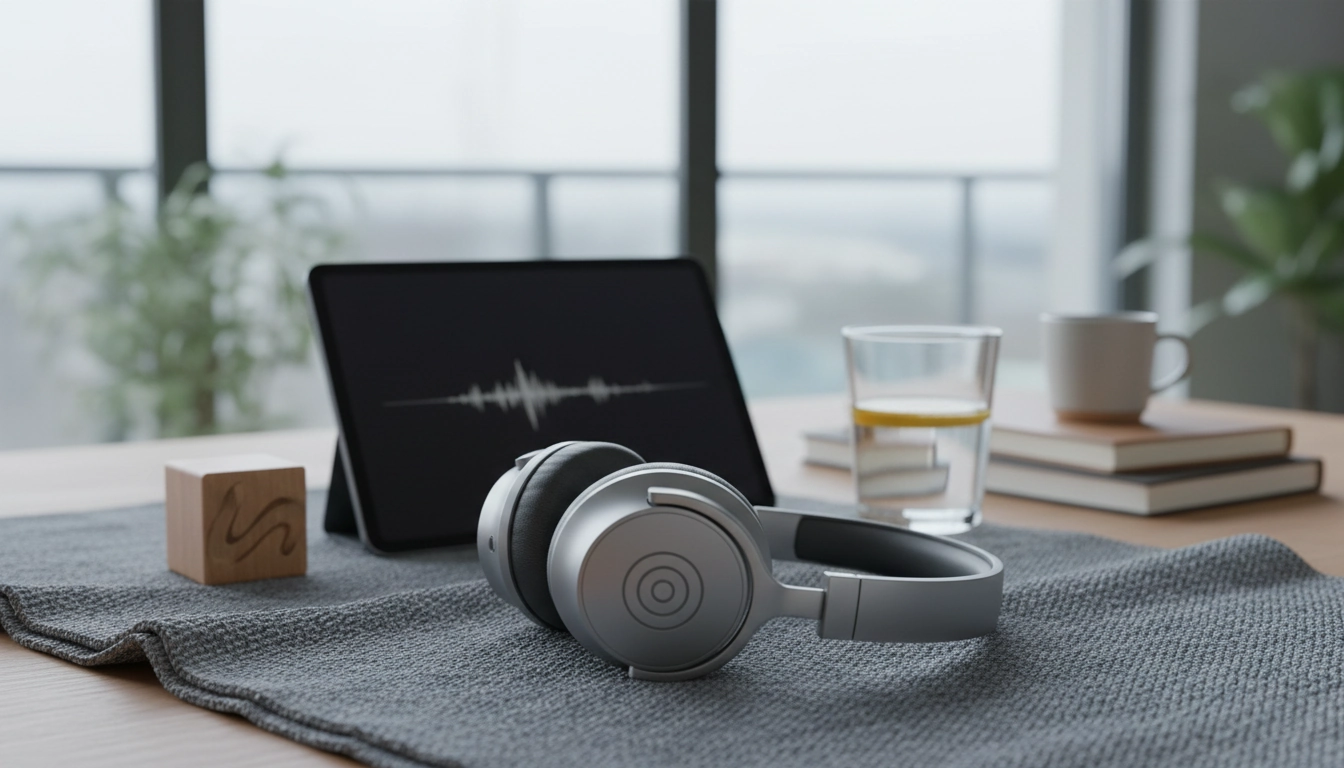
Is an abundance affirmations audio course better with music or spoken voice only?
It depends on how your brain stays focused and relaxed. Music can make an abundance affirmations audio course feel more immersive, while spoken voice only can make the words clearer and easier to absorb. The “better” option is the one that helps the affirmations land without distraction.
Music + affirmations: when it works best
Adding gentle music or ambient sounds can help quiet mental chatter and create a consistent ritual. If the track is slow, steady, and low in volume, it can support relaxation and make it easier to listen longer—especially during meditation, journaling, or winding down at night.
Music is often a good fit if silence feels uncomfortable, if background noise disrupts you, or if you prefer a soothing mood that encourages visualization and emotional connection.
Spoken voice only: when it works best
Voice-only tracks are ideal when you want maximum clarity and fewer variables. Without music, the pacing, tone, and wording become the main focus, which can help with memorization and deliberate repetition. This style can also be easier to play quietly while working, commuting, or doing chores.
Voice only is usually the better choice if you’re sensitive to certain frequencies, find melodies distracting, or want to clearly evaluate how the script and delivery affect you.
How to choose quickly
Try a short test: listen to 3–5 minutes of each style at the same volume. Pick the version that keeps your attention on the statements (not the soundtrack) and leaves you feeling calm, motivated, or emotionally “open.” If you enjoy both, rotate—music for relaxation sessions, voice-only for daytime reinforcement.
For a deeper breakdown of pros, cons, and what to look for in different recordings, visit the main article.
For Affirmations Audio: Music vs Voice-Only (Best Choice), the best answer depends on fit, material, care instructions, and how the product will be used day to day.
FAQ
How long should I listen to affirmations each day?
Consistency matters more than length. Many people do well with 5–15 minutes daily, then adjust based on focus and how the content makes them feel.












Leave a comment