Easiest Way to Start Eating Healthy: Simple Daily Steps
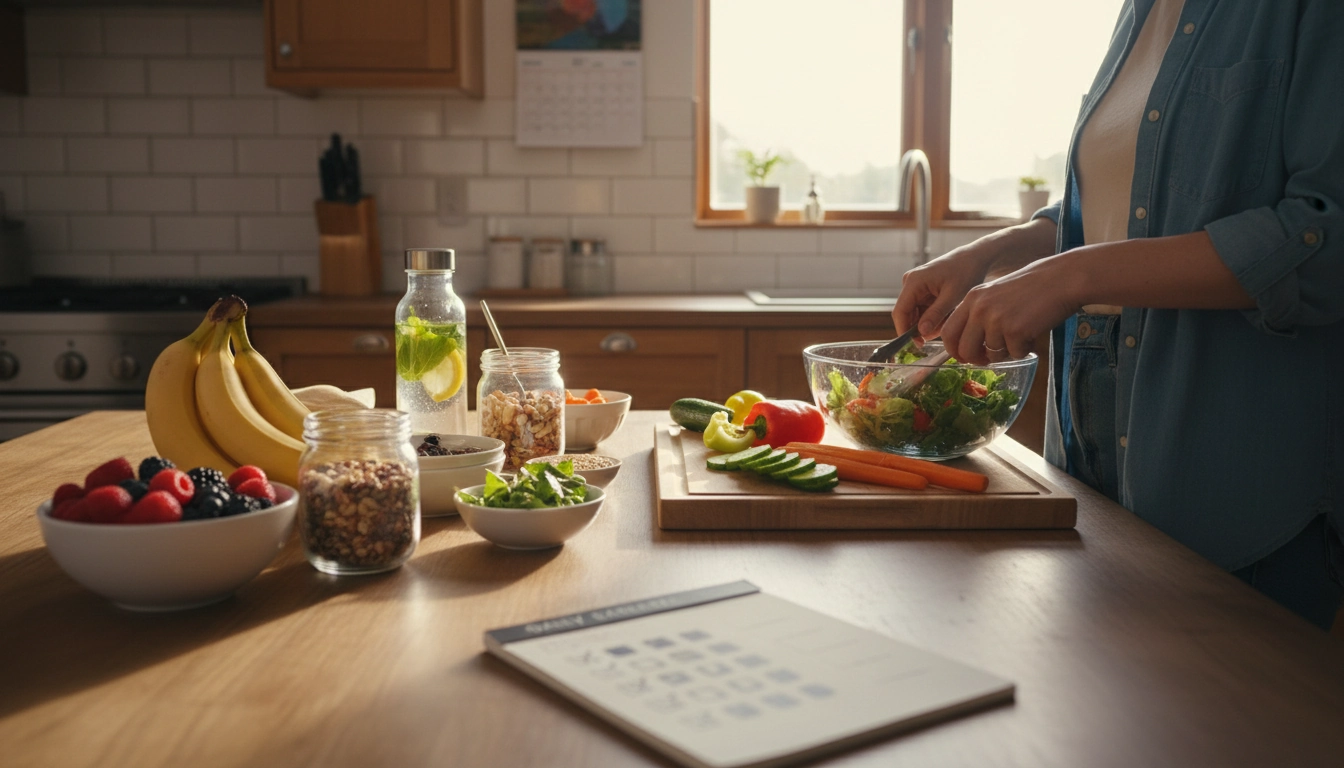
What is the easiest way to start eating healthy?
The easiest way to start eating healthy is to make one small, repeatable change you can do every day—then build from there. Instead of trying to overhaul every meal, pick a simple “default” that nudges your choices in a better direction without requiring willpower all day long.
Start with one anchor habit
Choose a habit that happens daily, like breakfast or lunch. For example: add one serving of fruit at breakfast, or include a non-starchy vegetable at lunch. This works because it’s specific, measurable, and doesn’t depend on perfect planning.
Use the “half-plate” shortcut
When you’re unsure what to eat, aim for half your plate to be vegetables or fruit, a quarter protein, and a quarter carbs (like rice, potatoes, or pasta). It’s a fast rule that improves balance without counting calories or macros.
Make healthy choices the easy choices
Stock your kitchen with a few grab-and-go basics: pre-washed salad greens, frozen vegetables, canned beans, eggs, Greek yogurt, and a couple of fruits you actually enjoy. If the healthier option is already prepped or visible, it’s the one you’re more likely to eat.
Upgrade what you already eat
Keep your favorite meals—just tweak them. Add a bag of frozen veggies to pasta, swap sugary drinks for sparkling water, or pair a sandwich with fruit instead of chips. Small upgrades reduce the feeling of “starting over” and make the change stick.
Keep it realistic for your schedule
If weeknights are hectic, plan for “assembly meals” (salad kit + rotisserie chicken, microwavable brown rice + frozen veggies + eggs) rather than elaborate recipes. Consistency beats complexity.
For more practical tips and easy meal ideas, visit the full guide on starting to eat healthy.
FAQ
What are some healthy snacks I can keep on hand?
Try options that combine protein and fiber, like Greek yogurt, nuts, string cheese, hummus with baby carrots, or an apple with peanut butter. These keep you fuller longer and make it easier to avoid impulse choices.












Leave a comment