Healthiest Kitten Food: What to Choose & Avoid
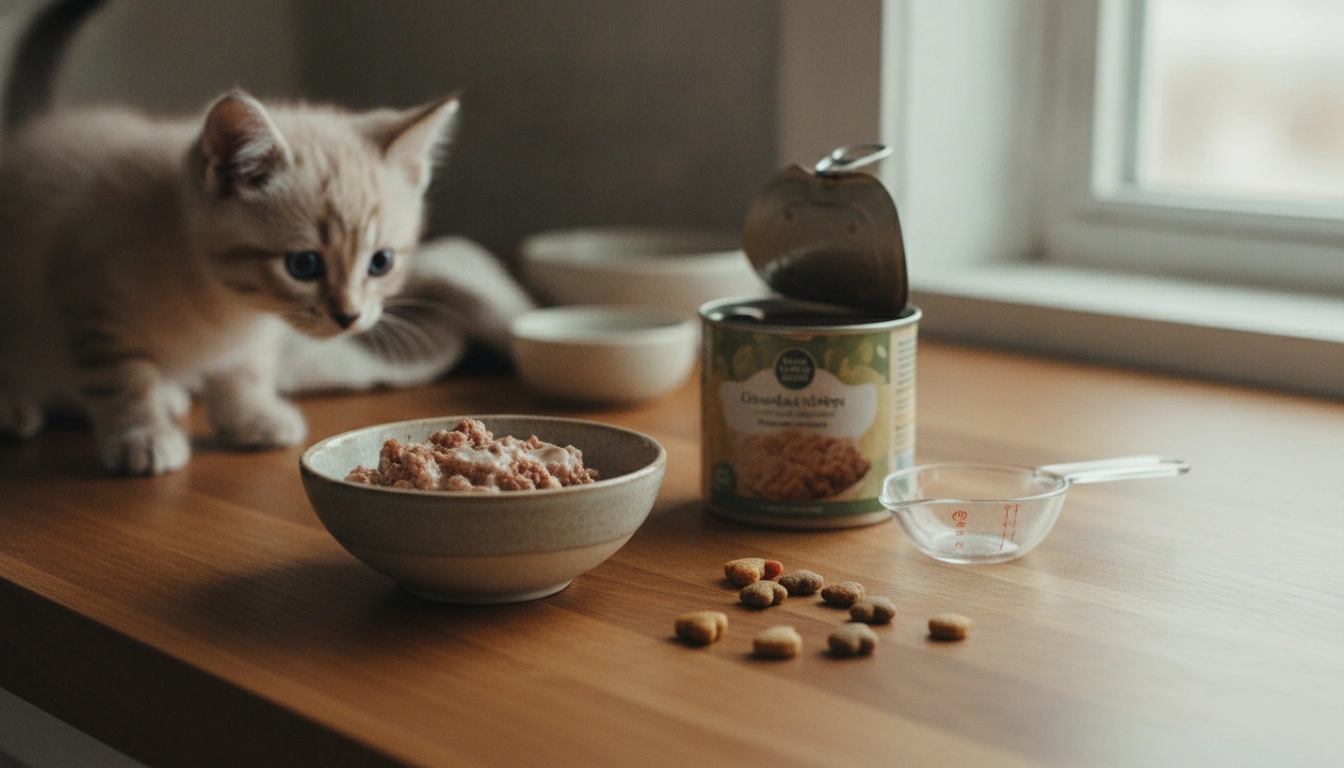
What is the healthiest food to feed a kitten?
The healthiest food for a kitten is a complete and balanced kitten formula made specifically for growth. Look for packaging that says it’s formulated for “growth” or “all life stages” and meets AAFCO nutritional standards. Kittens aren’t just small cats—they need more calories, protein, and key nutrients to support rapid development.
Choose a kitten-specific, complete and balanced diet
A high-quality commercial kitten food (wet, dry, or a mix) is typically the safest choice because it’s designed to provide the right levels of protein, fat, calcium, phosphorus, taurine, and essential vitamins. These nutrients help support healthy bones, vision, brain development, and immune function.
Wet vs. dry: which is healthier?
Wet food can be especially helpful for hydration and is often easier for young kittens to chew. Dry food is convenient and can be useful for grazing households, but it’s important to ensure your kitten is drinking enough water. Many owners use a combination: wet meals with a measured amount of dry food to meet daily calories.
What to look for on the label
Prioritize foods that list a named animal protein (like chicken or turkey) near the top of the ingredient list and clearly state they’re for kittens. Avoid diets that are “for adult maintenance” only, since they may not provide enough energy or minerals for growth. If your kitten has diarrhea, poor weight gain, or a dull coat, a vet can help you choose a formula that fits their needs.
Foods to avoid for kittens
Skip cow’s milk (many kittens are lactose intolerant), raw diets that aren’t professionally formulated, and heavily seasoned human foods. Also avoid onion, garlic, chocolate, grapes/raisins, alcohol, and xylitol, which are toxic to cats.
For a deeper breakdown of kitten nutrition, feeding schedules, and what to buy, visit this complete guide on the healthiest food to feed a kitten.
FAQ
How often should a kitten eat each day?
Most kittens do best with 3–4 small meals per day until about six months old, then you can usually transition to 2 meals daily. Portion sizes depend on age, weight, and the calorie density of the food, so check the feeding chart and adjust to keep steady growth without excessive chubbiness.









Leave a comment